
Why the UK’s Cabin Ban on Dogs Makes No Sense, and What Needs to Change
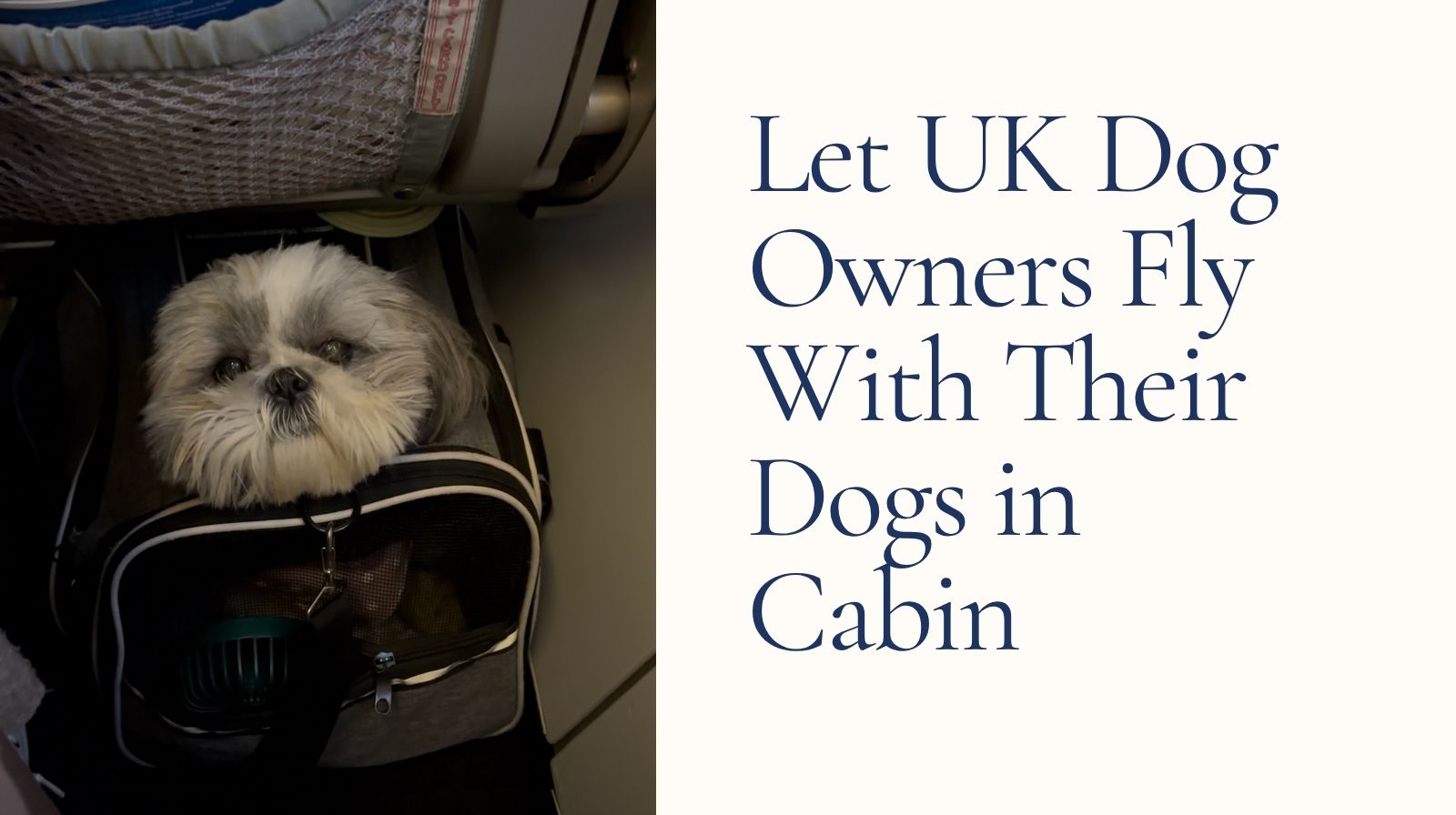
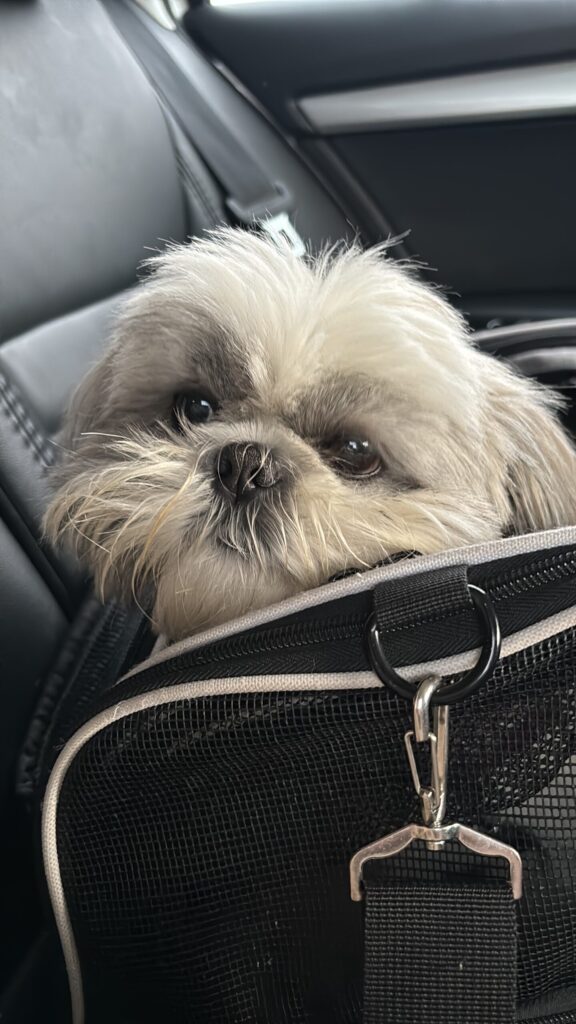
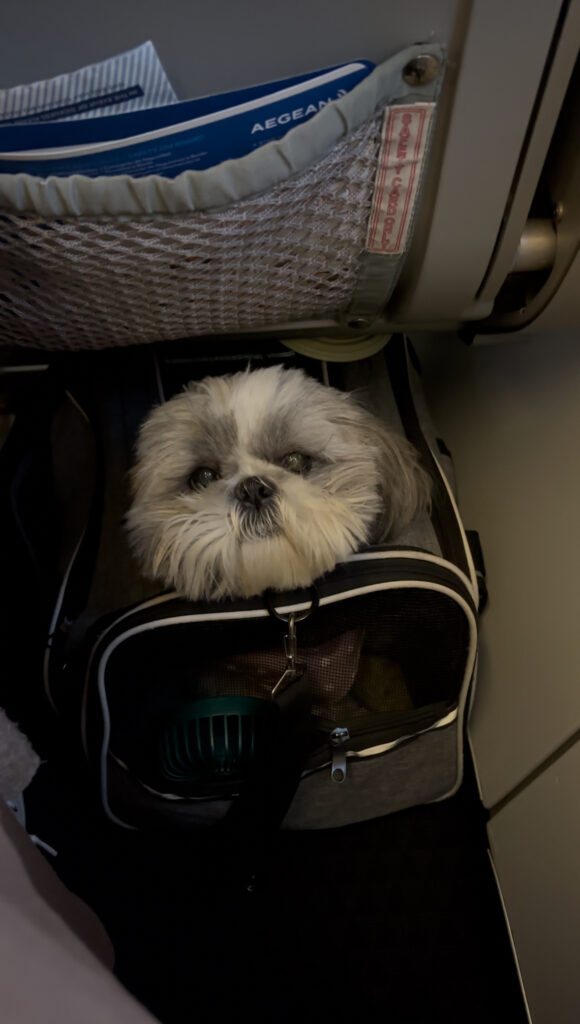
I fly with my dog, Daisy, across Europe about 20 times a year. We’ve flown KLM, Air France, TAP Portugal, Aegean, Vueling, and more. She sits in a carrier under the seat in front of me. She’s microchipped, rabies vaccinated, wormed before re-entry, and has a full EU pet passport. She’s flown into Dublin, Amsterdam, Paris, Nice, Munich, Venice, Milan, Rome, Turin, Bologna, Chania, Heraklion, Mykonos, Lisbon, Bordeaux, Geneva, Zurich, Vienna, and Ljubljana without a single issue. That’s 19 cities across 10 countries.
But if I lived in the UK, I couldn’t do any of this.
The UK does not allow dogs to fly into the country in the cabin of an aircraft. Not on any airline. Not with any amount of paperwork. Not even in a carrier under the seat. The only exception is certified assistance dogs.
And I cannot figure out why.

What You Can Do with Your Dog in the UK
Let me lay out what IS allowed, because this is where it stops making sense.
You can drive your dog into the UK. You can take the Eurotunnel with your dog. You can take a ferry into the UK with your dog. You can even put your dog in cargo on a flight into the UK, in a crate in the hold.
But you cannot fly into the UK with your dog sitting in a carrier under your seat.
Same dog. Same paperwork. Same destination. The only difference is where on the plane the dog sits. And somehow, that’s where DEFRA draws the line.
The Reason They Give
DEFRA’s position is that this is about biosecurity. The argument is that dogs arriving in the cabin of an aircraft can’t be properly inspected on arrival, whereas dogs arriving by ferry or in cargo can be checked by officials before they’re released.
Here’s the problem with that argument. It falls apart the moment you look at how it actually works in practice.

Ireland and Malta Already Prove This Works
Ireland is a rabies-free island. Malta is a rabies-free island. The UK is a rabies-free island. All three have the same biosecurity concerns.
Ireland allows dogs to fly in the cabin. Malta allows dogs to fly in the cabin. Both countries have Department of Agriculture checks at the border. When I fly into Dublin with Daisy, agriculture officials can check her passport and documentation at arrivals. Sometimes they’re there. Sometimes customs handles it. The system works. It’s been working for years.
If two rabies-free islands with identical biosecurity profiles can manage cabin pets arriving by air, the UK can too. The model already exists. It’s operating right now on similar islands with similar risks.
The Checks Happen Before You Fly
Here’s the thing that really gets me. Every dog flying in Europe is checked BEFORE they board the plane. The airline verifies the pet passport or health certificate, the vaccination records, and the carrier dimensions at check-in. If anything is wrong or the paperwork isn’t in order, you don’t get on the flight.
The biosecurity is handled at departure. By the time the plane lands, the dog has already passed every check that matters. Arrival inspection for cabin pets isn’t a safety measure. It’s a leftover from a system that hasn’t been updated.
Cargo Is More Dangerous, and It’s Allowed
This is the part that should concern anyone who cares about animal welfare. The UK allows dogs to fly in cargo, in a crate, in the hold of an aircraft. That same dog, with the same paperwork, on the same flight. But not in the cabin.
In the hold, dogs are alone. They can’t be monitored by their owner. They’re exposed to unfamiliar noises, pressure changes, and temperature variations. There have been documented cases of dogs dying in holds from heatstroke, suffocation, and extreme stress.
In the cabin, the dog is in a carrier under the seat, right beside the owner who can monitor them for the entire flight. It’s objectively safer for the animal. The current UK rule forces dog owners to choose the more dangerous option.
What Brexit Added to the Problem
Since the UK left the EU, British dogs no longer qualify for the EU pet passport scheme. Instead, UK dog owners need an Animal Health Certificate issued by a vet for every single trip. These certificates are more expensive than the passport, they have a limited validity window, and they add another layer of bureaucracy to an already complicated process.
The UK government is currently working on e-gates and streamlined border processes for British citizens travelling to the EU. If the border can be modernised for people, it can be modernised for pets. The infrastructure and the political will for border simplification already exist. Extending that thinking to pet travel is a logical step.

The Alternatives Aren’t Really Alternatives
People will say “just take the ferry” or “just take the Eurotunnel.” Let me explain why that’s not the answer most UK dog owners need to hear.
I’ve taken the ferry myself. Bilbao back to Ireland. Santander back to Ireland. Cherbourg back to Ireland. I’ve driven from the south of France to the north of it to catch a crossing. I actually enjoy it. Driving on the other side of the road is ready going once you’re used to it. You pack up the car, you don’t have to worry about carrier dimensions or pet quotas. At sea, you chill out, watch television, bring your own food or grab something from the restaurant. I like the ferry. I’m not arguing against it.
But the ferry is not the answer to this problem.
Pet-friendly cabins sell out constantly. The demand is there but the supply isn’t. If you’re a dog owner and you decide in February that you want a holiday in April, you’re probably already too late. You’re working cancellations, refreshing booking pages, and hoping someone drops out. That’s not planning a holiday. That’s running a military operation.
The ferry companies have a dedicated deck for dogs with a potty area outside on the deck. The dog section tends to have two parts, the interior and exterior cabins x 2 sections, with doors leading out to both sides where the dogs are allowed. That outside area is the only outdoor space your dog gets for the entire crossing. The rest of the cabin floors are carpeted and dogs aren’t permitted on other floors. Even the ferries underestimate how many dog owners want to travel. They sell out the pet cabins every time but they haven’t expanded to meet the demand. Worst case, you get a room with no window. It is what it is.
And the ferry routes don’t operate frequently enough to be a real alternative to flying. I couldn’t say “right, Daisy, let’s go to Spain this weekend” and make it happen. The crossings run on limited schedules to limited destinations. You can’t just decide to go. You have to plan months ahead and hope the dates align.
Then there’s the Eurotunnel and Le Shuttle. If you’re in your own car, the dog stays in the vehicle. But if you’re using shared transport, your dog has to go in a crate. Either way, it’s not the same as having your dog in a carrier beside you on a two hour flight. And again, you need a car or you need to arrange shared transport in advance. It’s not simple.
And here’s the big one that nobody talks about. You need a car. If you don’t have a car, you can’t take the ferry. You can’t take the Eurotunnel. Your only flight option is cargo, which costs thousands and puts your dog in a crate in the hold. So if you’re a dog owner without a car, which is a lot of people in UK cities, you’re completely locked out of travelling with your dog. Full stop.
When I travel on ferries, the biggest group I see is families. Families who pack up the car, pack up the kids, grab a cabin with four bunks, and drive to France or Spain. The ferry works for them because they have a car and they’re planning around school holidays anyway. But for a dog owner who wants a week of sunshine on short notice? The ferry isn’t an option. It’s a workaround. And it’s one that excludes anyone without a car, without the ability to plan months ahead, or without the flexibility to drive across a continent.
People in the UK don’t get a lot of sunshine. The whole point of a holiday for most people is to get somewhere warm, recharge, get some serotonin, and come back feeling human again. Dog owners want that too. They just want their dog with them when they do it. Right now, the system is telling them they can’t unless they own a car, book months ahead, and have the flexibility to drive across Europe. That excludes a huge number of people.
Flying should be the simple option. You go to the airport, you check in, your dog is in a carrier under your seat, and you’re in the south of France in two hours. That’s how it works for every other European. It’s only UK dog owners who are locked out of that.
People Aren’t Travelling Because of This
Here’s something DEFRA should care about from an economic perspective. This policy isn’t just stopping dogs from flying. It’s stopping people from flying.
I hear it constantly in my comments and DMs. “I don’t travel because I won’t leave my dog behind.” These aren’t people who are choosing between bringing the dog or leaving the dog. They’re choosing between travelling or not travelling at all. The holiday doesn’t happen. The flights don’t get booked. The hotels don’t get filled. The restaurants don’t get visited.
It’s the same logic as dog-friendly restaurants. A restaurant that doesn’t welcome dogs isn’t just losing the dog owner. They’re losing the whole table, because that person is going to eat somewhere their dog can come. The same applies to travel. Dog owners who can’t fly with their pet don’t book a different flight. They stay home.
The UK’s airports, airlines, and tourism economy are losing revenue from people who would happily travel, happily pay pet fees, happily pay airport taxes, and happily spend money at their destination. They’re just not willing to do it without their dog. And right now, the system is telling them they can’t.
One additional customs or agriculture officer at arrivals would pay for itself many times over through the increased airport traffic, pet fees, and travel spending from dog owners who are currently grounded.
You can fly out of the UK but not back in to the UK which is ridiculous – Sarah Jayne
What We’re Asking For
We’re not asking for all dogs to fly freely. We’re not asking for large dogs in the aisles. We’re not asking for the removal of any safety checks.
We’re talking about small dogs. Between 8 and 10 kilos depending on the airline, in an approved carrier that fits under the seat. The exact same rules that every other European country already follows. Nothing new. Nothing special. Just the same standard that works across the rest of the continent.
The ask is specific and narrow.
We are asking DEFRA to commission an independent review of whether the existing Pet Travel Scheme documentation, including microchip, rabies vaccination, tapeworm treatment, and pet passport or health certificate, already provides sufficient biosecurity to allow small, cabin-approved dogs on inbound flights to the UK. In line with the weight and carrier requirements already enforced by European airlines.
That’s it. A review. Based on evidence. In line with what Ireland, Malta, and every other European country already allows.
Why This Matters
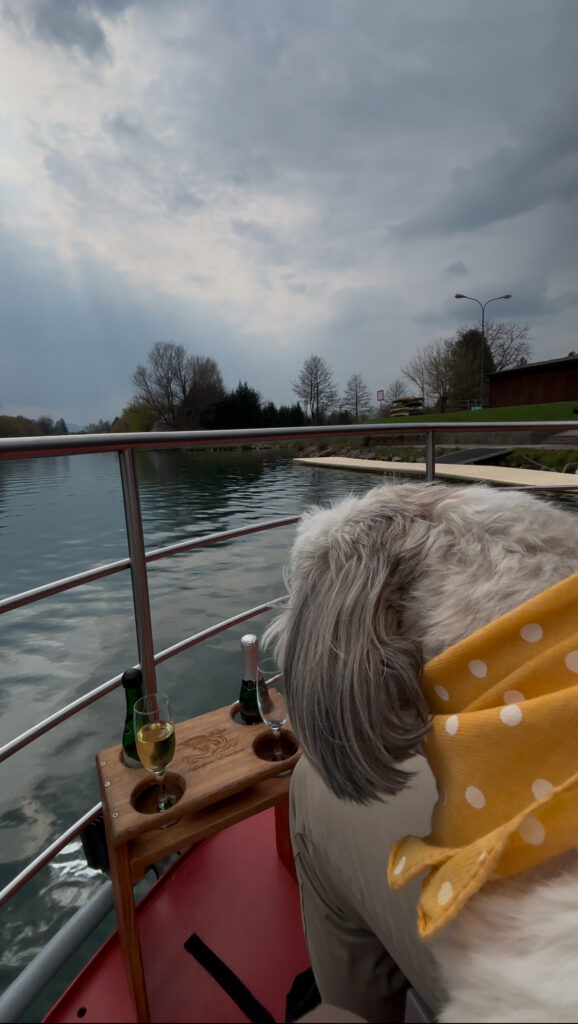
Since I started posting about dog-friendly travel across Europe, the single most common message I receive is from UK dog owners who want to do what I do but can’t. They watch my content and see dogs welcomed in restaurants in Zurich, lounging at hotel pools in Crete, walking through the canals in Venice. And they can’t get their dog on a plane home.
These aren’t irresponsible pet owners. These are people who microchip their dogs, vaccinate them, insure them, and treat them as family. They’re willing to do every bit of paperwork required. They just want the option to fly with their dog in the cabin, the same way millions of Europeans already do every year.
The UK can do better than this. Ireland does it. Malta does it. Every major European country does it. The evidence supports it. The demand is there. The welfare case is clear.
All we’re asking is for someone to look at the rules and ask whether they still make sense.

Add Your Voice
If you’re a UK dog owner and you want this policy reviewed, here’s how you can help.
Share this page with other dog owners. The more people who see this, the harder it is to ignore.
Write to your MP. Tell them about the cabin ban and ask them to raise it with DEFRA. A template letter is below.
Share your story. If you’ve had to take a ferry, drive to mainland Europe, or skip a holiday because you couldn’t fly with your dog, tell us in the comments or DM us on TikTok or Instagram @crazydaisytravels. Your stories are the evidence that this matters.
Follow the campaign. We’ll be updating this page as things develop. If you want to stay informed, follow @crazydaisytravels on TikTok and Instagram where we post regular updates on dog-friendly travel across Europe.
Template Letter to Your MP
Feel free to copy, personalise, and send this to your local MP.
Dear [MP Name]
I’m writing to you as a constituent and a dog owner who is frustrated by the current DEFRA policy that prevents dogs from travelling in the cabin of aircraft on flights arriving into the UK.
Under current rules, dogs can enter the UK by ferry, by car through the Eurotunnel, and even in cargo on flights. However, dogs are not permitted to fly in the cabin on any inbound flight, despite being allowed to do so across the rest of Europe.
Ireland and Malta, both rabies-free islands with similar biosecurity profiles to the UK, already allow dogs in the cabin on inbound flights. Their systems work effectively with border checks conducted by agriculture officials on arrival.
Every dog travelling by air in Europe is already microchipped, rabies vaccinated, and has its paperwork verified by the airline before departure. The biosecurity checks happen before the plane takes off.
I would like to ask you to raise this issue with DEFRA and request a formal review of whether the current cabin ban is still justified by the evidence, particularly given that comparable island nations already allow cabin pet travel with no adverse biosecurity outcomes.
This is not a request to remove safety checks. It is a request to review an outdated policy against current evidence and bring the UK in line with the rest of Europe.
Thank you for your time. I would welcome your response on this matter.
Yours sincerely, [Your name] [Your address] [Your constituency]
About This Campaign
This campaign is run by Pam at Crazy Daisy Travels (@crazydaisytravels), a luxury dog-friendly travel advisory service. I fly across Europe with my Shih Tzu, Daisy, about 20 times a year and review airlines, hotels, restaurants, and destinations based on how they actually treat dogs.
I don’t live in the UK. But a huge number of my followers do, and the messages I receive from UK dog owners about this issue are constant, passionate, and heartbreaking. This campaign exists because the people affected deserve to be heard.
If you’re a journalist, MP, animal welfare organisation, or anyone else who wants to discuss this further, contact me at pam@crazydaisytravels.com.







0 Comments